

Drip Coffee Makers
In many households drip coffee makers are very well-liked. They are convenient, simple to use and can brew 12 cups at one time.
The drip machine technology automatizes a process that requires focus on detail and control. This makes it possible for anyone to make excellent coffee without special skills.
How It Works
A drip coffee maker turns the grounds along with some water into an incredibly hot pot of steaming, delicious-smelling java. It's a simple, efficient method to make several cups of coffee at once and comes with a variety of settings that allow you to modify the flavor profile to meet your tastes.
Although drip coffee isn't the best choice for people who prefer a robust full-bodied, full-bodied cup. However but it's a great choice for those who want to step up and running with consistency. It can also produce anywhere between 4 and 12 cups at a time, it's ideal for entertaining guests or busy families.
Modern drip coffee makers utilize an element of heating resistance to heat the water in the reservoir at the bottom of the machine, which is usually constructed of ceramic or glass. As the water gets hotter and bubbles form inside the white tube rising from the reservoir. This is similar to an aquarium filter. The bubbles then transport the water to the coffee grounds, where they drip evenly as they pass. The grounds absorb the water and release its essence which is then extracted into the coffee.
Some drip coffee makers have showerheads that evenly distribute the water over the coffee grounds. This creates a consistent, balanced flavor that is less bitter than espresso or French press coffee. Drip brewing is not as caffeinated due to the high temperatures used.
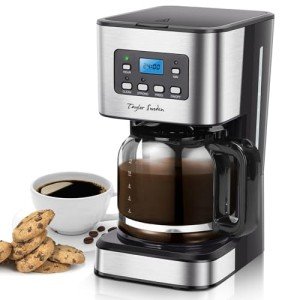
Another vital component of the machine is a one-way valve that is located either in the bucket, or inside the aluminum tube. This valve stops the boiling water from returning into the bucket. This valve causes hot water bubbles up through the tube and onto the coffee grounds.
Some models come with a thermal carafe which insulates and keeps the coffee hot for long periods of time. They're particularly useful if don't intend to consume all your coffee right away and don't want to waste the rest by leaving it on the counter where it can get too cold or burn.
Preparation
A drip machine is the mainstay of the coffee industry. It's a simple and reliable method that allows for a variety of customization options. From grind size to the temperature of the water and brewing time. A simple drip brew is a great way to experiment with new roasts and to see how different variables affect your morning coffee.
The drip coffee maker is easy to use, unlike more complicated manual methods of brewing. Simply add your water and coffee and press a button and then go about your day. The convenience and consistency make them a preferred choice for many homes, offices and cafes. A drip machine can produce flat or flavorless espresso if it's not heated to the proper temperature or the grounds haven't been soaked well.
To get the best results from a drip machine you will need to know how to prepare your beans. To achieve this, you must grind the beans to the appropriate size for your preferred brewing method. For drip machines, this means a coarser grind than what you could use in a French Press or espresso maker. This allows for the full flavor to be extracted.
The type of filter you choose will influence the taste of your coffee. Paper filters can leave an unpleasant taste in your coffee, whereas mesh filters let the flavors be fully extracted. If you're using a filter made of mesh or paper filter, you must clean the filter with hot water prior to adding your coffee grounds. This will get rid of any paper particles left on the filter and heat it up to ensure optimal making.
In the end, it's essential to heat the carafe and water reservoir of your drip machine. This will ensure that the water is at the correct temperature for brewing, and prevent any buildup of mineral deposits that aren't soluble in the pipework of your machine.
With a little practice you can make delicious drip coffee that's comparable to the best coffee you'll find at your favorite cafe. Be sure to preheat your machine, test the size of your grind as well as the water temperature, and also take the time to clean your machine regularly to keep it in tip-top condition.
Filtering
Drip coffee makers use filters to separate the grounds from the brewed water. The filtered coffee is collected in a container like a carafe or a pot. The term "filtered" could also refer to drip brew techniques that do not use filters, such as French press or pour-over.
The water reservoir and filter basket, as well as the carafe are the primary components of a drip brewer. These parts work together to ensure the optimal extraction of flavors and oils of the beans and produce an excellent cup of coffee.
The reservoir is able to hold the desired quantity of water. The water is heated to the perfect temperature for the coffee to be brewed (usually between 194 and 205 degrees Fahrenheit). The hot water is then transported through a series of tubes and then poured over the coffee grounds.
Paper filters are used in all drip brew systems, however there are also reusable fabric and metal basket filters to choose from. These are a more green option. Paper filters are made of thin porous paper that allows water to flow through but effectively holds the coffee grounds, providing an unmistakably clean and smooth taste. These filters are usually disposable, but may also be purchased in bulk to help save money and eliminate waste.
It is crucial to select the right type of bean and grind it into a medium-sized size. Also, make sure that your filter is compatible with your brewer. The shape of the filter is crucial, as it impacts flow and extraction. For example the flat-bottomed filter is more effective at draining the water than a cone-shaped one.
After the coffee grounds have been drip-drenched, they remain in the filter basket, while the coffee is drained into the container below. It is important to wait until the brewed coffee stops dripping before serving it, because disrupting the process could affect the taste and texture of your cup of joe.
You should also clean your drip brewer every 3 to 6 month. A descaler solution that consists of white vinegar and water can remove the mineral deposits that could cause tubing to become blocked.
Brewing
The brewing process for the drip machine is an intricately choreographed dance. The various parts of the machine work to transform coffee grounds into a delicious beverage which wakes us up and warms our souls. The water reservoir, filter, carafe and heating element are all vital components of the best drip machine. They work in tandem to extract the best flavor and oils from coffee grounds.
The reservoir is filled with clean, filtered, cold water that can be used during brewing. The reservoir has markings that indicate how many cups can be brewed and it is crucial to use the exact amount of water for consistent, delicious results. It is also essential to use water that is filtered as impurities could affect the flavor of your coffee.
Once the coffee maker has brewed enough water, it's put into the filter basket where it is evenly spread over the grounds of coffee. The hot water extracts the flavors and oils from the beans making your own cup of coffee. The resultant mix drips down the filter and into the carafe below, where it is collected and chilled to make it easy to drink.
In the ideal drip machine, the brewing process is complete after four to eight minutes. Your brew could be over- or under-extracted, resulting in a bitter or flat taste. The SCA suggests using an alarm clock to ensure that you don't over-brew your beer.
During our testing, we brewed several cups of coffee with each model to determine how it performed in the critical areas of consistency and aroma. We also weighed the coffee grounds and water to ensure that we were measuring accurately and accurately, since even small variations in the ratio of coffee to water can have a huge impact on the taste. coffee drip maker Coffeee tested each model's ability to be programmed to determine how quickly we could create the brewing schedule for the next brew.
We also considered the size, construction and appearance of each machine, as the majority of people will keep their drip coffee makers out on the counter. We wanted them to be stylish and durable as well as easy to clean.